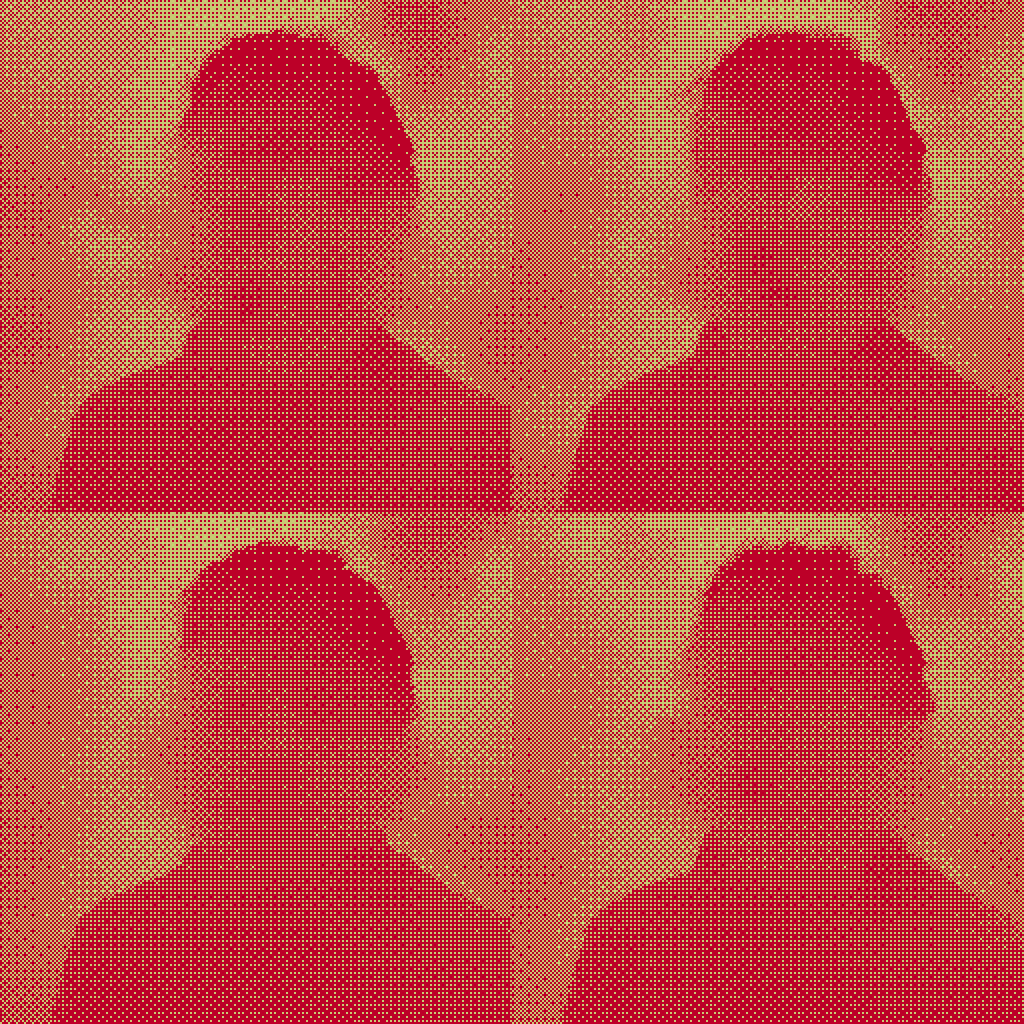
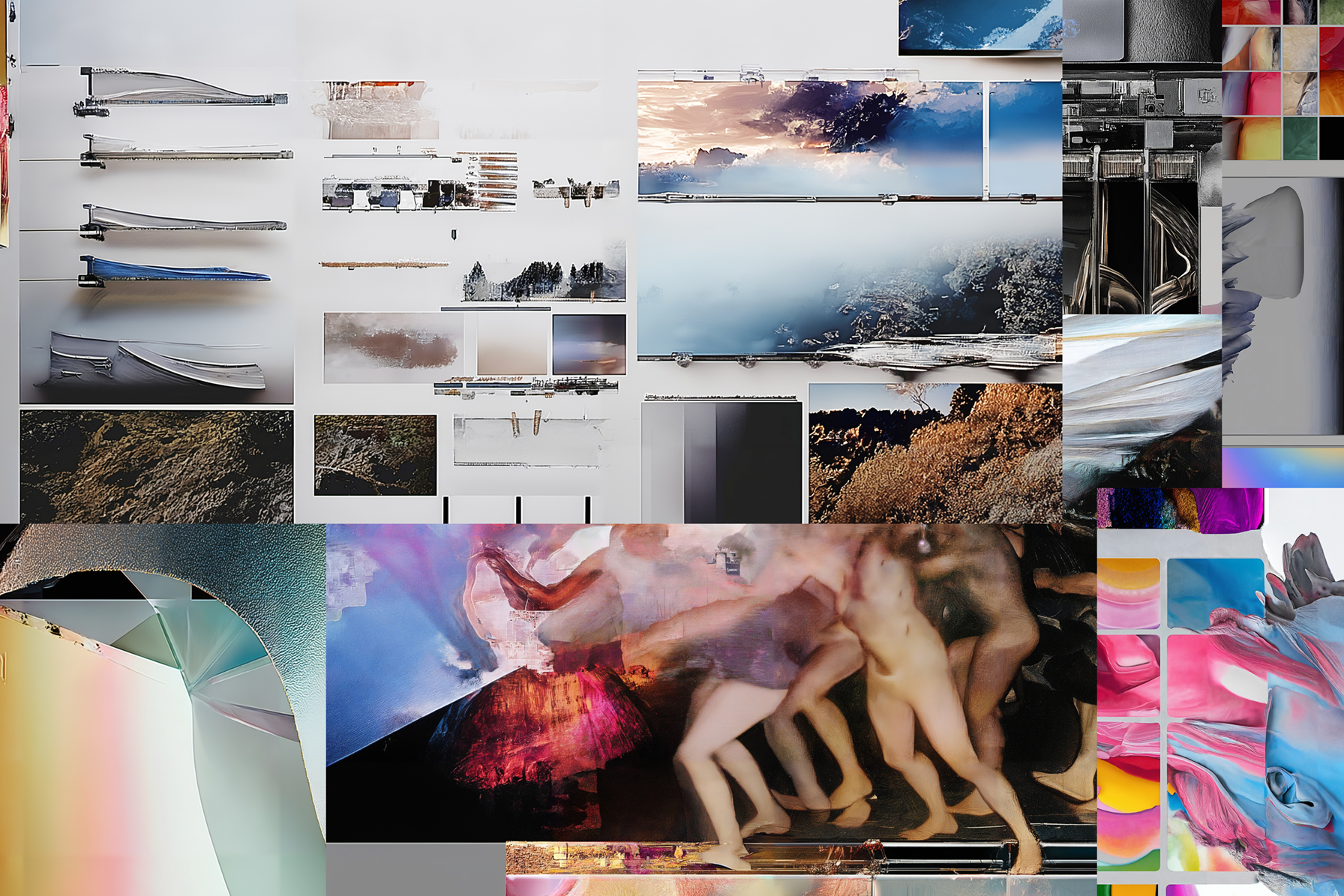
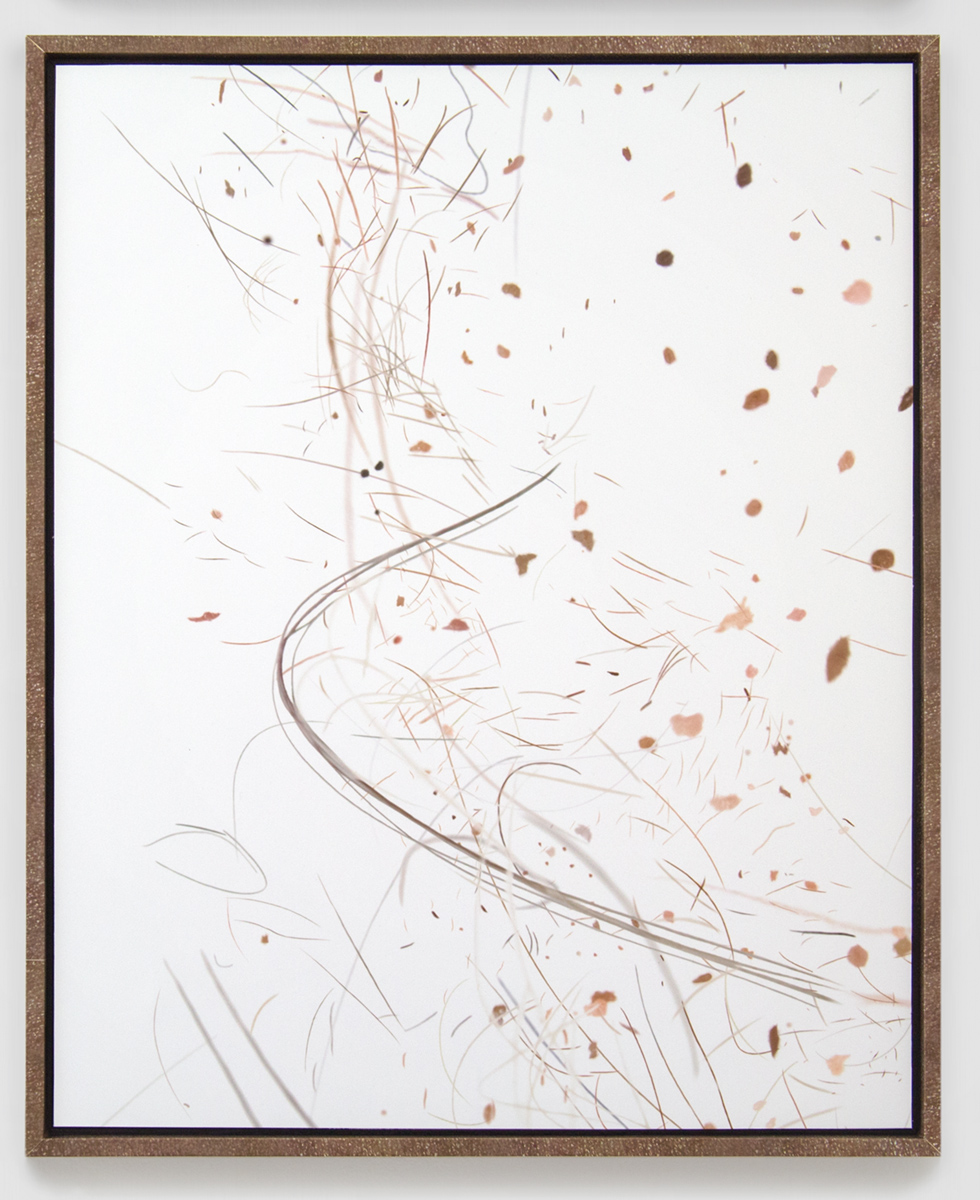
Under the Image: A Monograph by Travis LeRoy Southworth
Under the Image is a forthcoming monograph examining the hidden operations that produce images. Spanning twenty-five years of artistic practice, the book follows Southworth’s investigation of retouching, correction, interfaces, machine learning, and other systems that shape how images are made, interpreted, and remembered.
This website presents an in-progress version of the monograph and an invitation to collaborators, funders, publishers, and supporters interested in helping bring the book into print.
Mockup


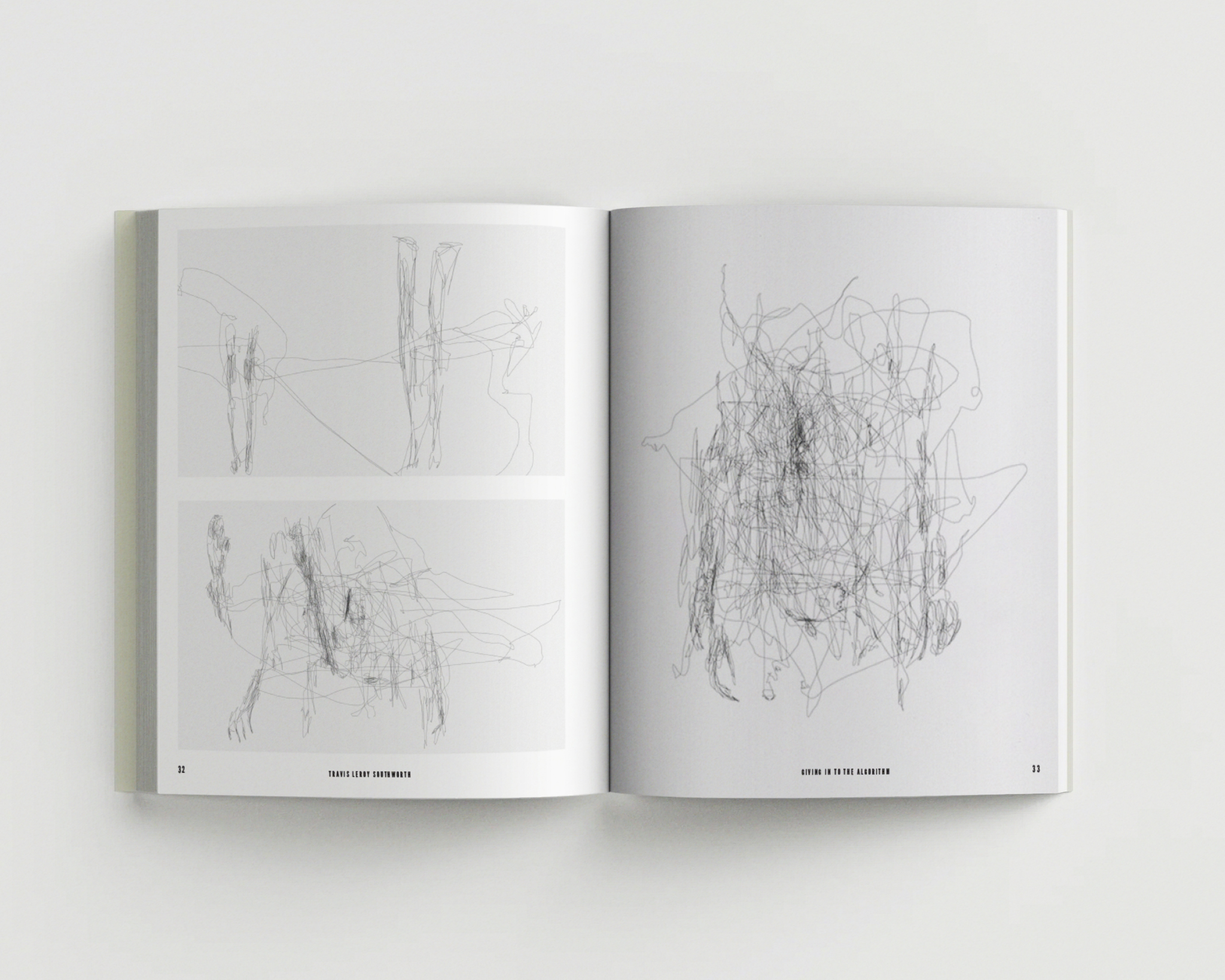


The book asks what lies under the image: corrections, interfaces, labor, software, memory, algorithms, judgment, and touch.
Structure
Dialogue is the book’s organizing method rather than its central subject. Conversations with writers, curators, artworks, technologies, and earlier versions of Southworth’s own practice are used to move beneath the finished image and examine the systems that hold it together.In both philosophical and technical senses, dialogue becomes an exchange between visible surface and hidden labor, human judgment and machine instruction, correction and residue, signal and noise. Rather than advancing a single linear argument, the book unfolds through overlapping voices and bodies of work, revealing every image as a record of decisions: what was added, removed, corrected, concealed, or allowed to remain.
0.0 Foreward: by Eleonora Brizi
An introduction to the book’s investigation of images as systems, and the dialogues that emerge from them.1.0 Source Material
An autobiographical opening traces the experiences that shaped Southworth’s understanding of images: childhood encounters with computers, photocopiers, and image reproduction, work with photographic archives and museum condition reports, and a career in commercial photo retouching. These early histories establish correction, reproduction, imperfection, and the hidden labor of image constructionr not merely as subjects of the work, but as its primary materials. 
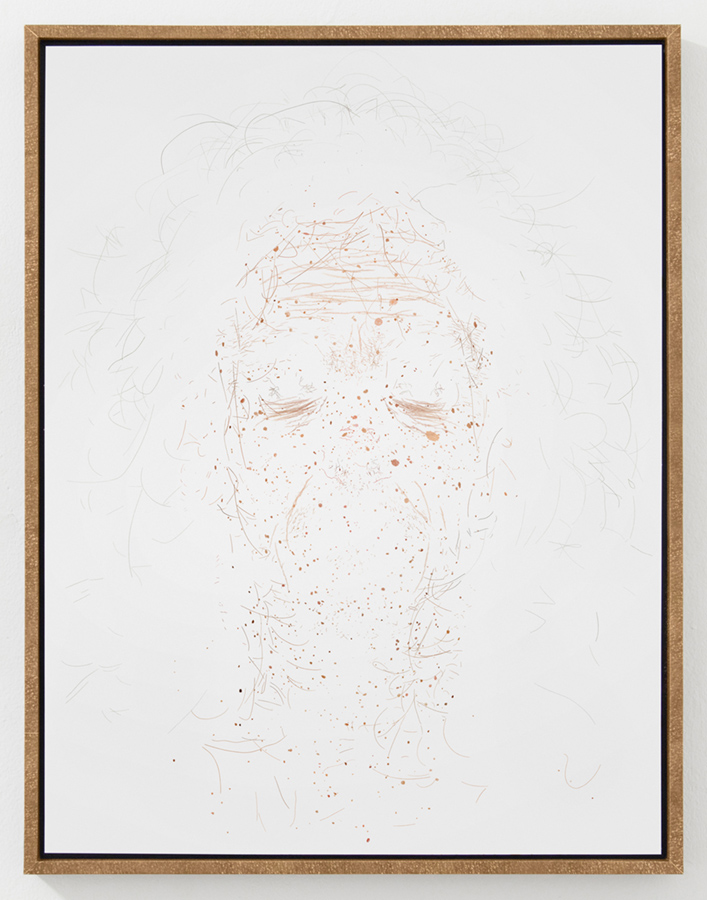


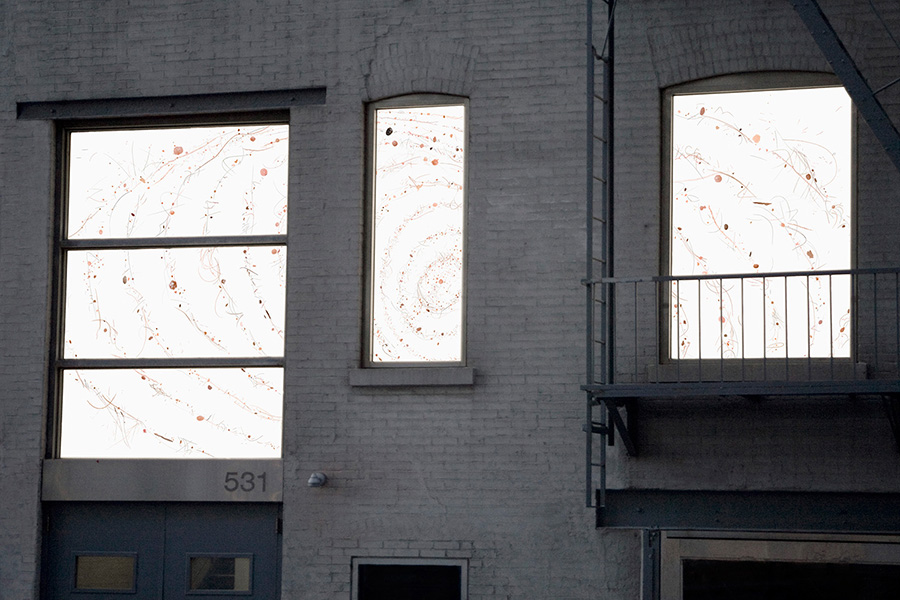
Detouched, Absent Minded Monotonous Splendor, Where I End and You Begin
2.0 Pixels and Particles: Interview by Alex Estorick
This section follows Southworth’s transition from commercial photo retouching to artist-in-residence involving CERN’s Large Hadron Collider, where invisible systems became a central framework for understanding images. Rather than treating photographs as finished pictures, the work begins to examine the structures that produce them, from pixels and software to particles, interfaces, and algorithms. Scientific inquiry becomes less a subject than another lens through which to investigate how unseen operations shape visible experience.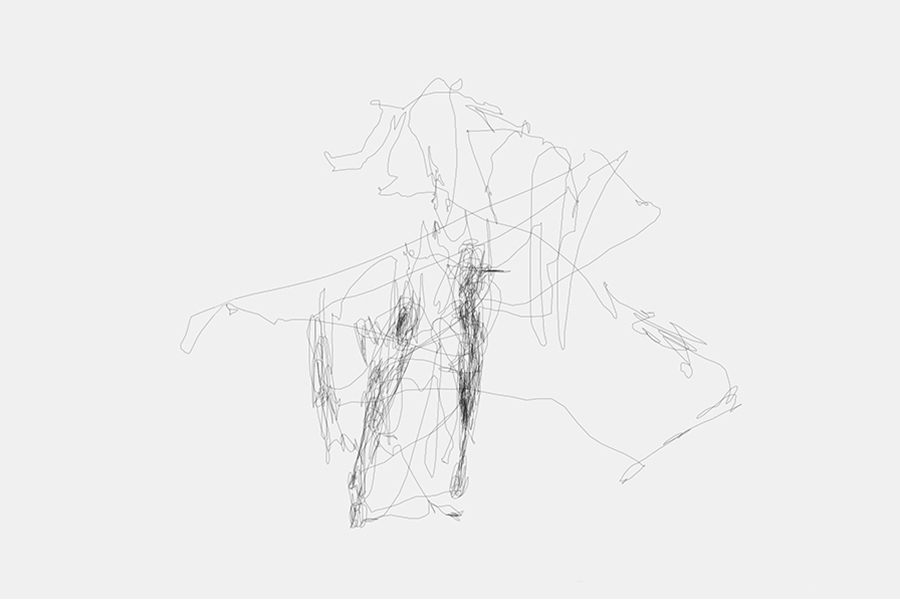



3.0 Diaphanous Portraits: Essay by Brian Droitcour
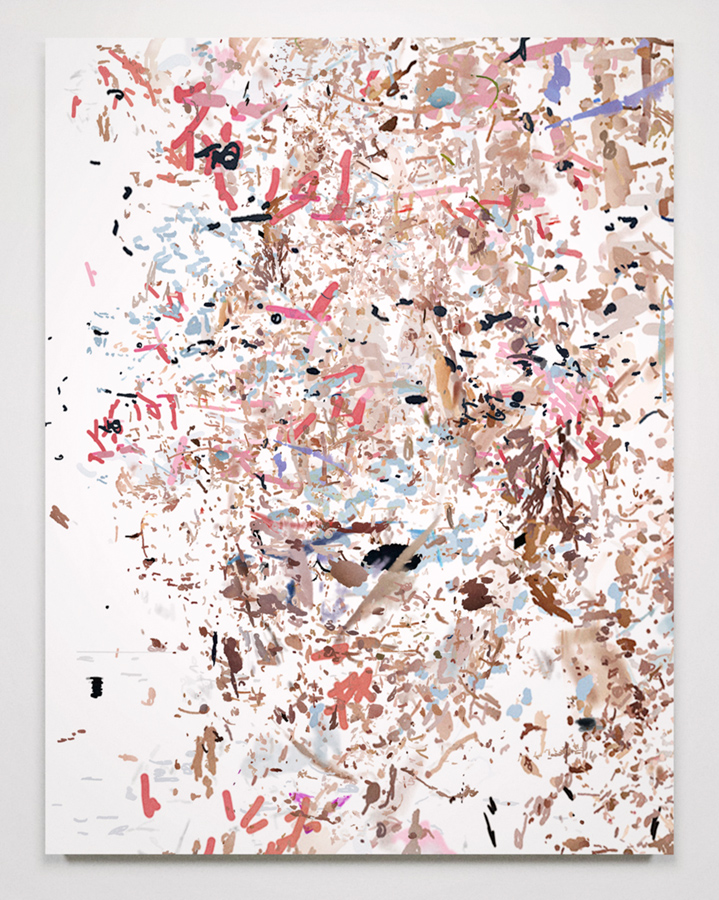
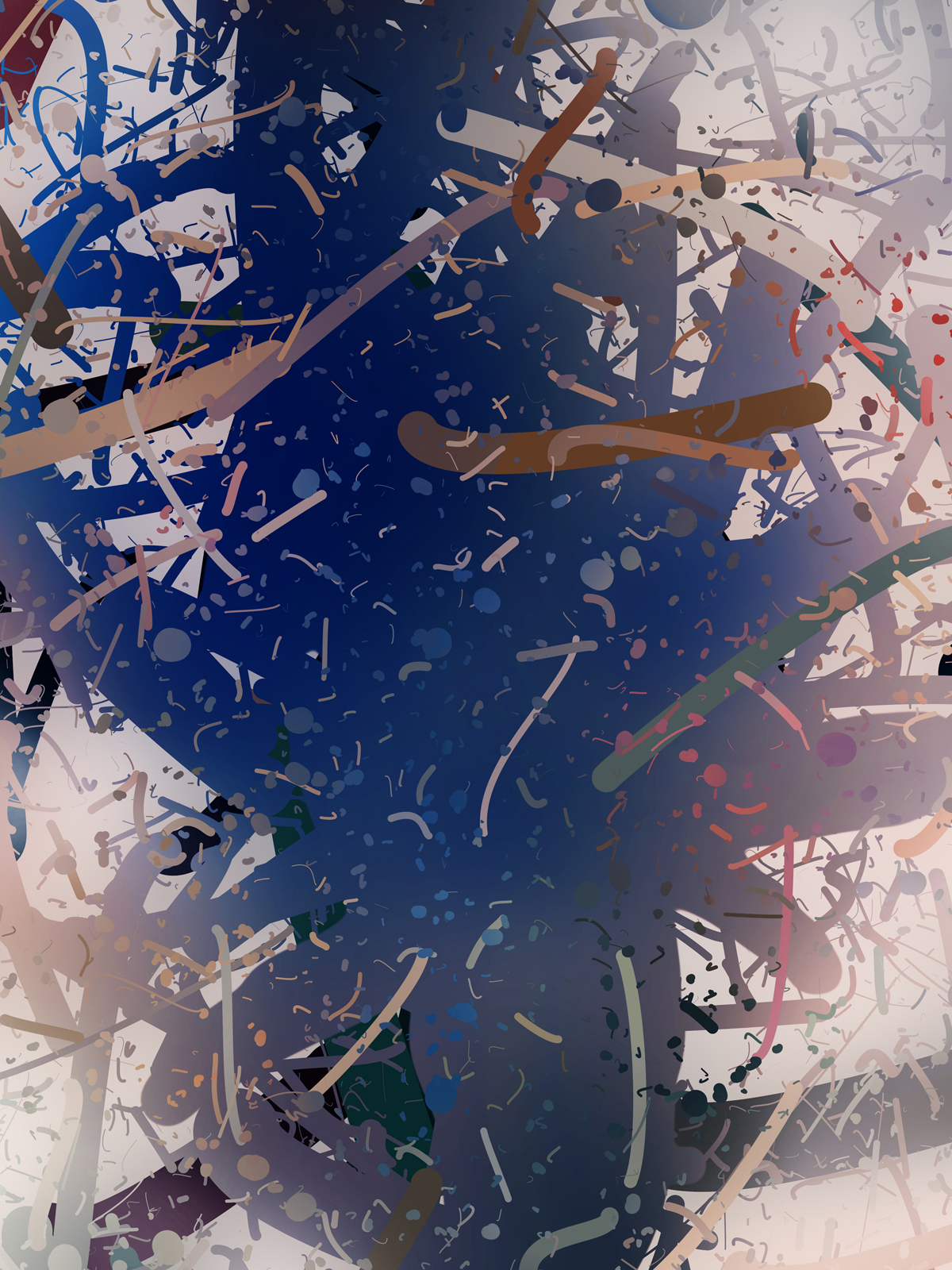
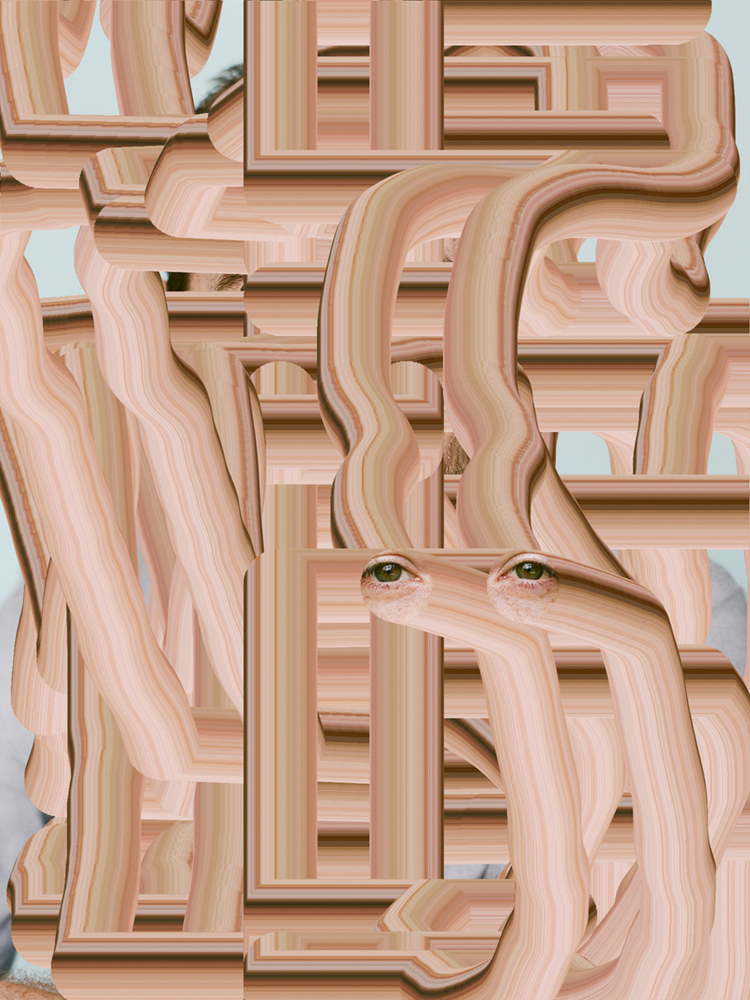
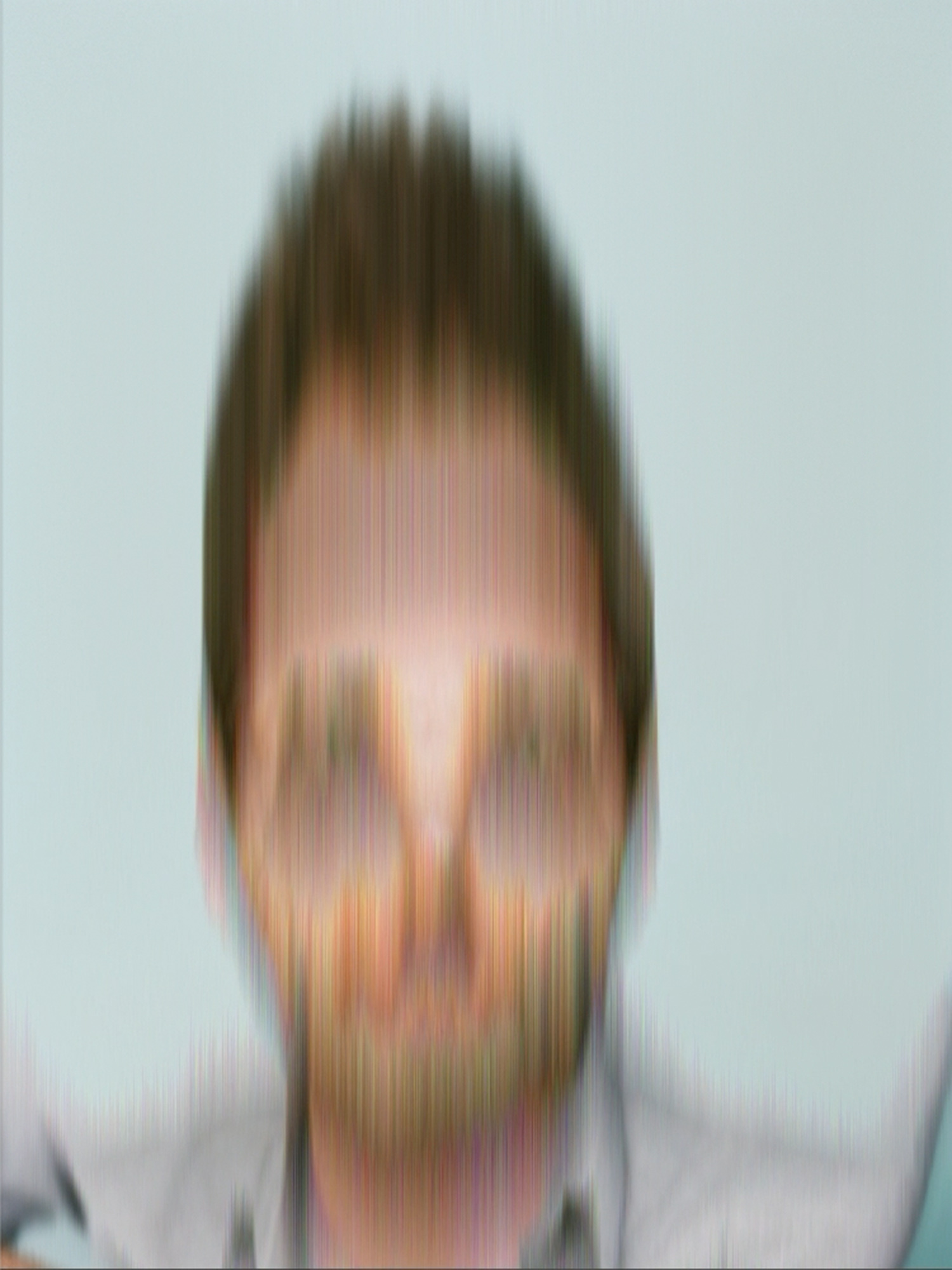
Portraiture begins to dissolve as correction itself becomes the medium. Drawing from years of commercial retouching, Southworth transforms gestures once intended to disappear into the substance of the work. Color, blur, and accumulated edits no longer conceal the image’s construction but reveal it, producing portraits that exist somewhere between memory, material, and disappearance.


4.0 Endings and Beginnings: Essay by Danielle Ezzo
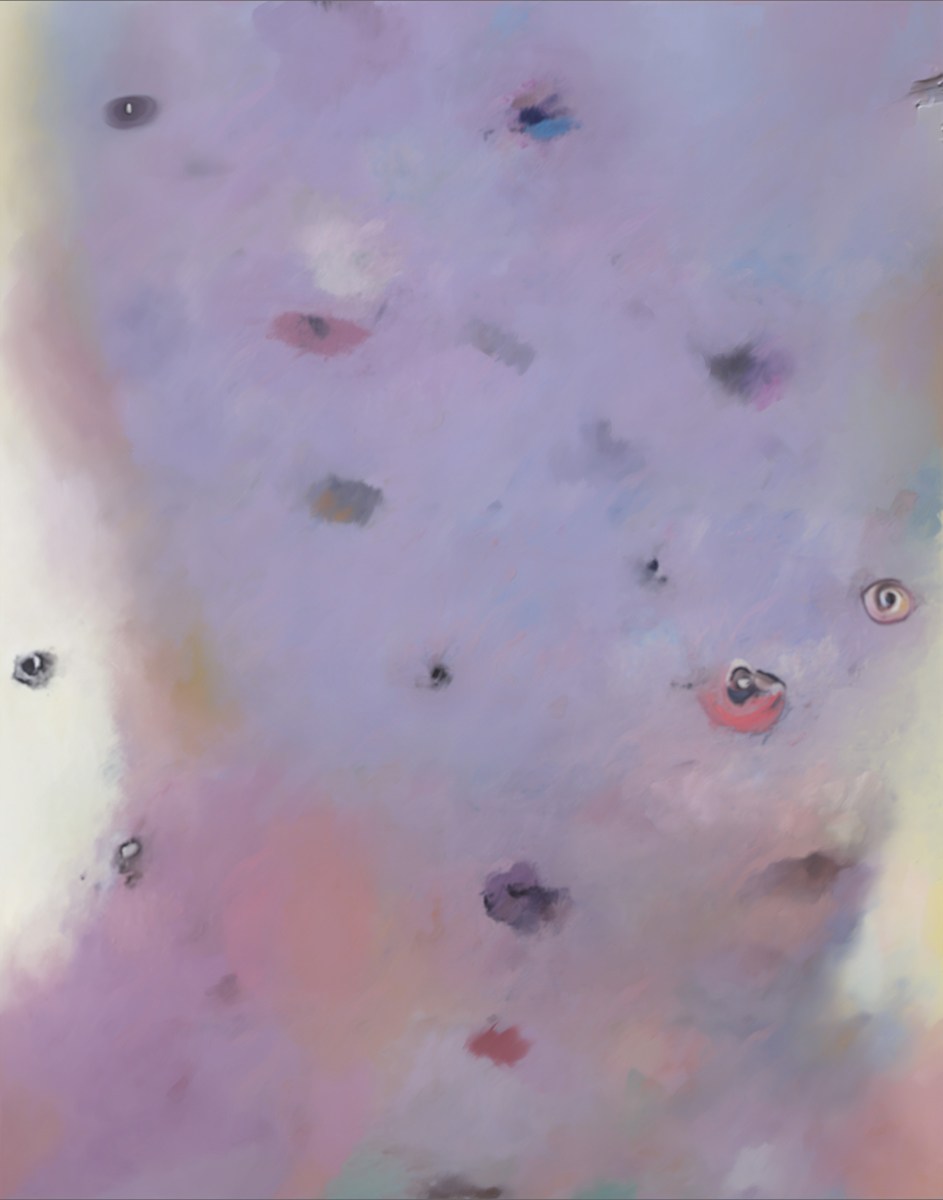
This section considers the shifting location of artistic labor as images move from retouching and machine learning into AI-assisted and robotically materialized forms. Works such as New Beginnings, Old Endings, Secrets Secreting and Thresholds explore synthetic portraiture, imperfection, memory, and the unstable boundary between artist and algorithm. The section looks toward
robotic image production
not as a rupture, but as another stage in a longer question: where does the artist’s hand reside when images are generated, altered, translated, and physically produced by machines? 


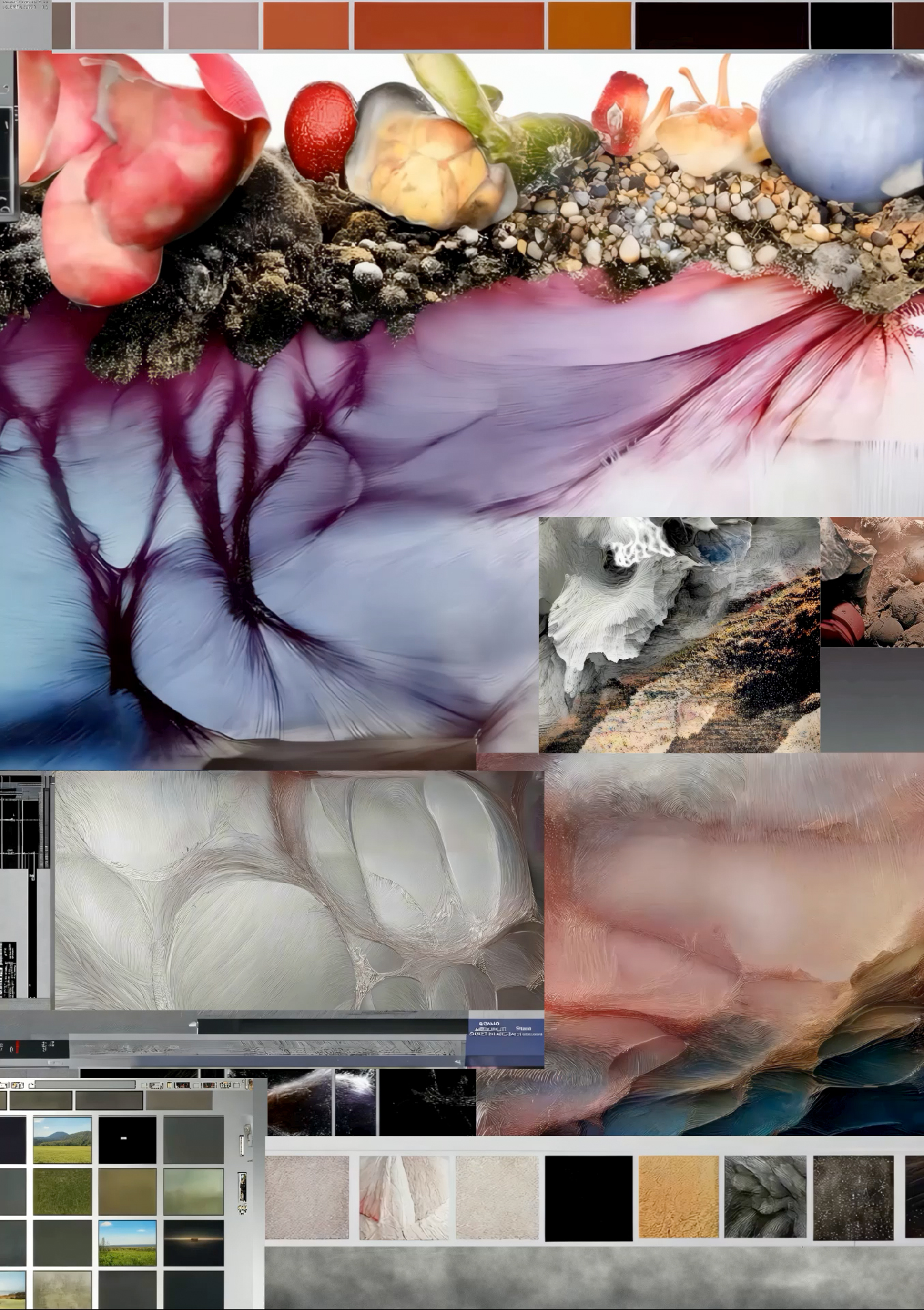
5.0 Beyond the Image:
The final chapter looks toward the future of image-making through There Will Be Signs, an evolving body of generative works and public sculptures. Expanding beyond the image as a singular object, the chapter explores signs, symbols, and systems as artistic media, asking how images increasingly operate as networks of meaning, computation, and public experience.


Links to bodies of work being considered for monograph